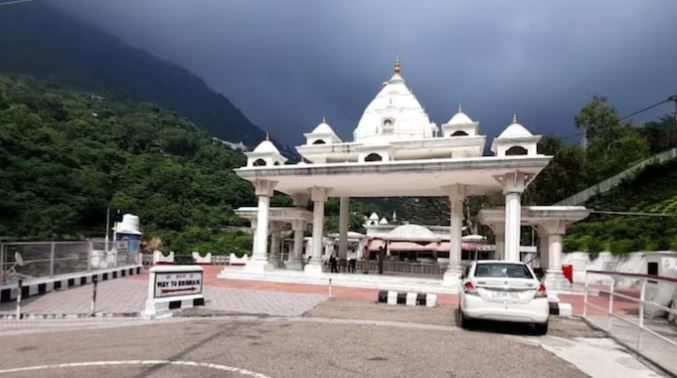
Vaishno Devi Temple near Katra is one of India’s most visited pilgrimage sites, known for its sacred cave shrine, powerful Shakti worship, and spiritually uplifting trek through the Trikuta Hills.
✨ Last updated: April 2026
Overview
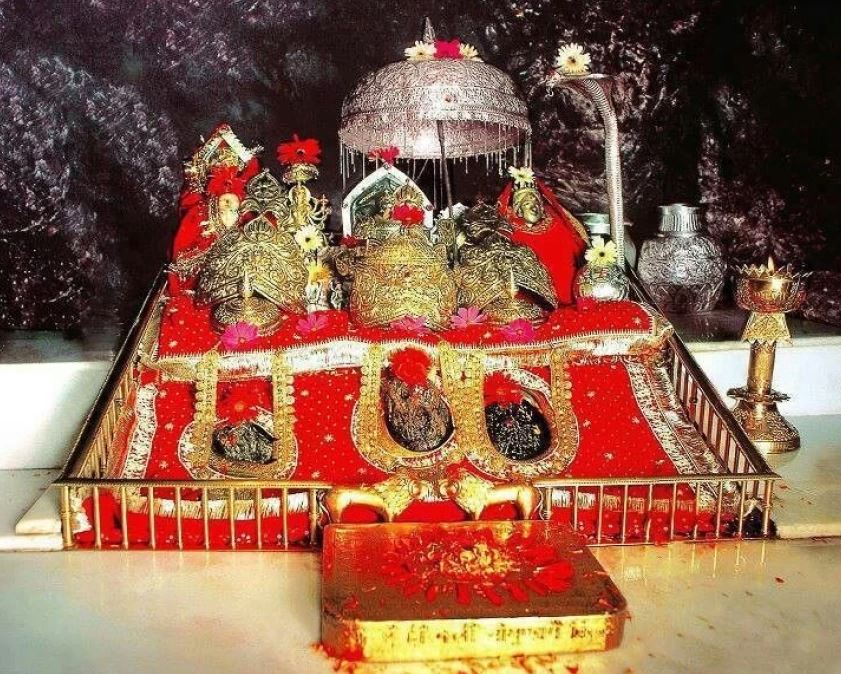
Vaishno Devi Temple, located near Katra in Jammu and Kashmir, is one of the most important pilgrimage destinations dedicated to Goddess Vaishno Devi. Situated in the Trikuta Hills at an altitude of around 5,200 feet, the temple attracts millions of devotees every year from across India and abroad. The shrine is unique because the goddess is worshipped in the form of three natural rock formations called Pindis, representing Maha Kali, Maha Lakshmi, and Maha Saraswati.
The journey to the temple involves a 12 km trek from Katra to the Bhawan, which is considered an integral part of the spiritual experience. Pilgrims chant “Jai Mata Di” throughout the journey, creating a strong devotional atmosphere. The temple administration has developed excellent facilities including resting points, medical services, food stalls, and security systems to support the large number of visitors.
Devotees believe that Mata Vaishno Devi fulfills wishes and blesses her followers with peace, prosperity, and protection. The temple remains open throughout the year and is especially crowded during Navratri. The combination of faith, effort, and discipline makes this pilgrimage one of the most meaningful spiritual journeys in India.
The journey to the temple involves a 12 km trek from Katra to the Bhawan, which is considered an integral part of the spiritual experience. Pilgrims chant “Jai Mata Di” throughout the journey, creating a strong devotional atmosphere. The temple administration has developed excellent facilities including resting points, medical services, food stalls, and security systems to support the large number of visitors.
Devotees believe that Mata Vaishno Devi fulfills wishes and blesses her followers with peace, prosperity, and protection. The temple remains open throughout the year and is especially crowded during Navratri. The combination of faith, effort, and discipline makes this pilgrimage one of the most meaningful spiritual journeys in India.
Live Darshan & Video
History & Significance
The history of Vaishno Devi Temple is deeply rooted in Hindu mythology and traditions. It is believed that Goddess Vaishno Devi, an incarnation of Goddess Durga, came to the Trikuta Hills to meditate and perform penance. She eventually took refuge in the sacred cave where the shrine now exists.
According to legend, the goddess lived in the form of a young girl devoted to spiritual practices. A demon named Bhairavnath attempted to chase her, leading to a divine encounter. The goddess ultimately revealed her true form and defeated him. Before his death, Bhairavnath sought forgiveness, and the goddess granted him salvation. As a result, visiting Bhairavnath Temple is considered an essential part of the pilgrimage.
The temple is regarded as one of the most powerful Shakti Peethas, symbolizing divine feminine energy. Devotees strongly believe that only those who receive the goddess’s call are able to complete the journey. The continuous flow of pilgrims throughout the year reflects the temple’s deep spiritual importance and cultural significance across generations.
According to legend, the goddess lived in the form of a young girl devoted to spiritual practices. A demon named Bhairavnath attempted to chase her, leading to a divine encounter. The goddess ultimately revealed her true form and defeated him. Before his death, Bhairavnath sought forgiveness, and the goddess granted him salvation. As a result, visiting Bhairavnath Temple is considered an essential part of the pilgrimage.
The temple is regarded as one of the most powerful Shakti Peethas, symbolizing divine feminine energy. Devotees strongly believe that only those who receive the goddess’s call are able to complete the journey. The continuous flow of pilgrims throughout the year reflects the temple’s deep spiritual importance and cultural significance across generations.
Deities & Presiding Gods
The main deity is Goddess Vaishno Devi, worshipped in the form of three sacred Pindis representing Maha Kali, Maha Lakshmi, and Maha Saraswati. These three forms together symbolize strength, wealth, and knowledge, and are revered as manifestations of supreme feminine divine energy within the holy cave shrine.
Festivals & Rituals
Vaishno Devi Temple celebrates major festivals like Navratri with great devotion and large gatherings of pilgrims. Daily rituals include morning and evening aartis, continuous chanting of bhajans, and special poojas. The temple follows a disciplined system of worship that maintains a strong spiritual atmosphere throughout the year.
There is no strict dress code, but devotees are advised to wear modest and comfortable clothing suitable for trekking. Warm clothes are recommended during winter due to the high-altitude location.
There is no strict dress code, but devotees are advised to wear modest and comfortable clothing suitable for trekking. Warm clothes are recommended during winter due to the high-altitude location.
How to Reach
Vaishno Devi Temple is accessible via Katra. The nearest airport is Jammu (50 km), and Katra railway station is well connected. From Katra, devotees can trek, take ponies, palki, or helicopter services.
Temple Timings
Timings: Open 24 hours
Darshan waiting time can range from 2 to 6 hours depending on crowd, especially during weekends, holidays, and Navratri festival periods.
Darshan waiting time can range from 2 to 6 hours depending on crowd, especially during weekends, holidays, and Navratri festival periods.
Spiritual Experience
The journey to Vaishno Devi Temple is as important as the destination itself. The trek through the Trikuta Hills, filled with chants of “Jai Mata Di,” creates a strong sense of devotion and unity among pilgrims.
As devotees move along the path, the atmosphere builds anticipation and faith. The final darshan inside the cave, where the three Pindis are worshipped, feels deeply fulfilling. Many visitors describe a strong emotional and spiritual connection during the visit.
The combination of physical effort, devotion, and the serene mountain environment makes the experience both challenging and spiritually uplifting.
Nearby Attractions
- Bhairavnath Temple
- Ardhkuwari Cave
- Banganga
As devotees move along the path, the atmosphere builds anticipation and faith. The final darshan inside the cave, where the three Pindis are worshipped, feels deeply fulfilling. Many visitors describe a strong emotional and spiritual connection during the visit.
The combination of physical effort, devotion, and the serene mountain environment makes the experience both challenging and spiritually uplifting.
Nearby Attractions
- Bhairavnath Temple
- Ardhkuwari Cave
- Banganga
Vaishno Devi Temple offers a powerful and fulfilling spiritual journey that combines devotion, effort, and faith. The sacred trek and divine darshan make it one of the most important pilgrimage destinations in India.
Photo Gallery
Frequently Asked Questions
Quick Details
Temple Name: Vaishno Devi Temple
Location: Katra, Jammu and Kashmir
Deity: Goddess Vaishno Devi
Temple Type: Shakti Peetha
Darshan Timings: Open 24 hours
Entry: Open to all
Dress Code: Modest, trekking-friendly attire
Famous For: Cave shrine, Pindis, pilgrimage trek
Nearest Airport: Jammu (50 km)
Nearest Railway Station: Katra
Best Time to Visit: Throughout the year
Main Festivals: Navratri
Location: Katra, Jammu and Kashmir
Deity: Goddess Vaishno Devi
Temple Type: Shakti Peetha
Darshan Timings: Open 24 hours
Entry: Open to all
Dress Code: Modest, trekking-friendly attire
Famous For: Cave shrine, Pindis, pilgrimage trek
Nearest Airport: Jammu (50 km)
Nearest Railway Station: Katra
Best Time to Visit: Throughout the year
Main Festivals: Navratri
Timings: Open 24 hours
Darshan waiting time can range from 2 to 6 hours depending on crowd, especially during weekends, holidays, and Navratri festival periods.
Darshan waiting time can range from 2 to 6 hours depending on crowd, especially during weekends, holidays, and Navratri festival periods.