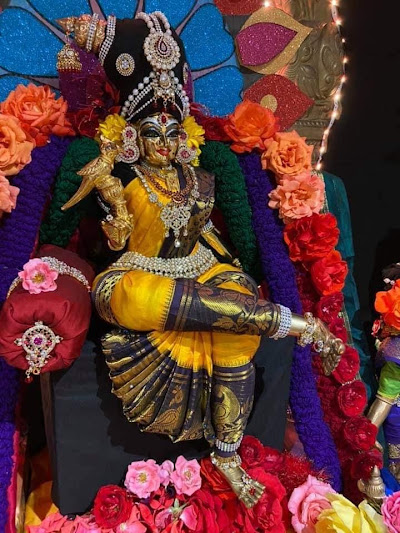
Meenakshi Amman Temple in Madurai is one of South India’s most vibrant and living temples, known for its towering gopurams, deep spiritual energy, and centuries-old traditions that still thrive daily.
✨ Last updated: April 2026
Overview
Meenakshi Amman Temple is a magnificent example of Dravidian architecture and one of the most important spiritual landmarks in South India. Located in the heart of Madurai, the temple complex spans over 14 acres and is surrounded by towering gopurams covered with thousands of colorful sculptures that instantly capture attention.
The temple is dedicated to Goddess Meenakshi, an incarnation of Parvati, and Lord Sundareswarar, a form of Shiva. What makes this temple unique is that the goddess is the central deity, reflecting the deep cultural respect for feminine power in Tamil tradition.
Inside, the temple feels like a sacred city with long corridors, pillared halls, and multiple shrines. The famous Thousand Pillar Hall showcases detailed carvings and architectural brilliance. Daily rituals, temple music, and continuous chanting create a deeply spiritual environment, making it not just a place of worship but a living symbol of Tamil heritage, devotion, and timeless tradition.
The temple is dedicated to Goddess Meenakshi, an incarnation of Parvati, and Lord Sundareswarar, a form of Shiva. What makes this temple unique is that the goddess is the central deity, reflecting the deep cultural respect for feminine power in Tamil tradition.
Inside, the temple feels like a sacred city with long corridors, pillared halls, and multiple shrines. The famous Thousand Pillar Hall showcases detailed carvings and architectural brilliance. Daily rituals, temple music, and continuous chanting create a deeply spiritual environment, making it not just a place of worship but a living symbol of Tamil heritage, devotion, and timeless tradition.
Live Darshan & Video
History & Significance
The origins of Meenakshi Amman Temple date back over 2,000 years, with references found in ancient Tamil texts. However, the present structure was largely rebuilt during the Nayak dynasty in the 16th century, particularly under King Tirumalai Nayak.
According to legend, Goddess Meenakshi was born as a warrior princess with three breasts, destined to rule Madurai. It is believed that when she met Lord Shiva, her third breast disappeared, signifying their divine union. Their celestial wedding, known as Meenakshi Thirukalyanam, remains one of the most celebrated events here.
The temple has survived invasions, destruction, and rebuilding phases, yet its spiritual importance never faded. What makes it special is its continuous living tradition — rituals here have been performed without interruption for centuries.
A unique aspect many don’t notice: the temple functions almost like a small city within itself, with its own rhythm, economy, and daily life revolving entirely around devotion.
According to legend, Goddess Meenakshi was born as a warrior princess with three breasts, destined to rule Madurai. It is believed that when she met Lord Shiva, her third breast disappeared, signifying their divine union. Their celestial wedding, known as Meenakshi Thirukalyanam, remains one of the most celebrated events here.
The temple has survived invasions, destruction, and rebuilding phases, yet its spiritual importance never faded. What makes it special is its continuous living tradition — rituals here have been performed without interruption for centuries.
A unique aspect many don’t notice: the temple functions almost like a small city within itself, with its own rhythm, economy, and daily life revolving entirely around devotion.
Deities & Presiding Gods
The temple is dedicated to Goddess Meenakshi, a powerful form of Parvati, and Lord Sundareswarar, representing Shiva. Meenakshi is worshipped as the primary deity, symbolizing strength, compassion, and divine femininity.
Alongside them, there are several smaller shrines for Ganesha, Murugan, and other deities, making the temple a complete spiritual ecosystem for devotees.
Alongside them, there are several smaller shrines for Ganesha, Murugan, and other deities, making the temple a complete spiritual ecosystem for devotees.
Festivals & Rituals
The most important festival is the Chithirai Festival, celebrating the divine wedding of Meenakshi and Sundareswarar. It attracts lakhs of devotees every year.
Daily rituals include multiple poojas, abhishekam, and evening ceremonies where the idol of Shiva is symbolically taken to Meenakshi’s shrine. The temple comes alive with music, chants, and deep devotion throughout the day.
Daily rituals include multiple poojas, abhishekam, and evening ceremonies where the idol of Shiva is symbolically taken to Meenakshi’s shrine. The temple comes alive with music, chants, and deep devotion throughout the day.
How to Reach
Madurai is well connected by air, rail, and road. Madurai Airport is about 12 km from the temple. Madurai Junction railway station is just 2 km away and easily accessible by auto or taxi.
Frequent buses connect Madurai to major cities across Tamil Nadu, making road travel convenient.
Frequent buses connect Madurai to major cities across Tamil Nadu, making road travel convenient.
Temple Timings
Morning: 5:00 AM – 12:30 PM
Evening: 4:00 PM – 10:00 PM
Darshan is generally smooth on weekdays but can take 1–2 hours during weekends and festivals. Early morning visits are the most peaceful and less crowded.
Visitors are expected to dress modestly. Traditional attire is preferred. Men should avoid shorts, and women are advised to wear sarees, salwar, or decent full-length clothing.
Carry minimal items as security checks are strict, and footwear must be left outside the temple premises.
Evening: 4:00 PM – 10:00 PM
Darshan is generally smooth on weekdays but can take 1–2 hours during weekends and festivals. Early morning visits are the most peaceful and less crowded.
Visitors are expected to dress modestly. Traditional attire is preferred. Men should avoid shorts, and women are advised to wear sarees, salwar, or decent full-length clothing.
Carry minimal items as security checks are strict, and footwear must be left outside the temple premises.
Spiritual Experience
Walking into Meenakshi Amman Temple feels like stepping into a different world. The air carries a mix of incense, temple bells, and ancient chants. As you pass through the towering gopurams, the vibrant colors and carvings slowly give way to a calmer, sacred space.
What stands out is not just the architecture but the living devotion — priests performing rituals, devotees offering prayers, and the constant rhythm of temple life. Sitting quietly inside, you can feel a sense of grounding that’s hard to explain.
A unique experience here is witnessing the night ceremony where Lord Sundareswarar is taken to Meenakshi’s chamber. It’s symbolic, intimate, and deeply rooted in tradition — something many visitors miss but leaves a lasting impression.
What stands out is not just the architecture but the living devotion — priests performing rituals, devotees offering prayers, and the constant rhythm of temple life. Sitting quietly inside, you can feel a sense of grounding that’s hard to explain.
A unique experience here is witnessing the night ceremony where Lord Sundareswarar is taken to Meenakshi’s chamber. It’s symbolic, intimate, and deeply rooted in tradition — something many visitors miss but leaves a lasting impression.
Meenakshi Amman Temple is more than a tourist spot—it’s a living tradition that continues to inspire devotion and awe. Whether you visit for faith, history, or architecture, the experience stays with you long after you leave.
Frequently Asked Questions
Quick Details
Location: Madurai, Tamil Nadu
Main Deity: Meenakshi & Sundareswarar
Temple Type: Dravidian Architecture
Famous Festival: Chithirai Festival
Timings: 5:00 AM – 10:00 PM
Best Time to Visit: Early morning or weekdays
Main Deity: Meenakshi & Sundareswarar
Temple Type: Dravidian Architecture
Famous Festival: Chithirai Festival
Timings: 5:00 AM – 10:00 PM
Best Time to Visit: Early morning or weekdays
Morning: 5:00 AM – 12:30 PM
Evening: 4:00 PM – 10:00 PM
Darshan is generally smooth on weekdays but can take 1–2 hours during weekends and festivals. Early morning visits are the most peaceful and less crowded.
Visitors are expected to dress modestly. Traditional attire is preferred. Men should avoid shorts, and women are advised to wear sarees, salwar, or decent full-length clothing.
Carry minimal items as security checks are strict, and footwear must be left outside the temple premises.
Evening: 4:00 PM – 10:00 PM
Darshan is generally smooth on weekdays but can take 1–2 hours during weekends and festivals. Early morning visits are the most peaceful and less crowded.
Visitors are expected to dress modestly. Traditional attire is preferred. Men should avoid shorts, and women are advised to wear sarees, salwar, or decent full-length clothing.
Carry minimal items as security checks are strict, and footwear must be left outside the temple premises.